12 Essential Herbs & Spices
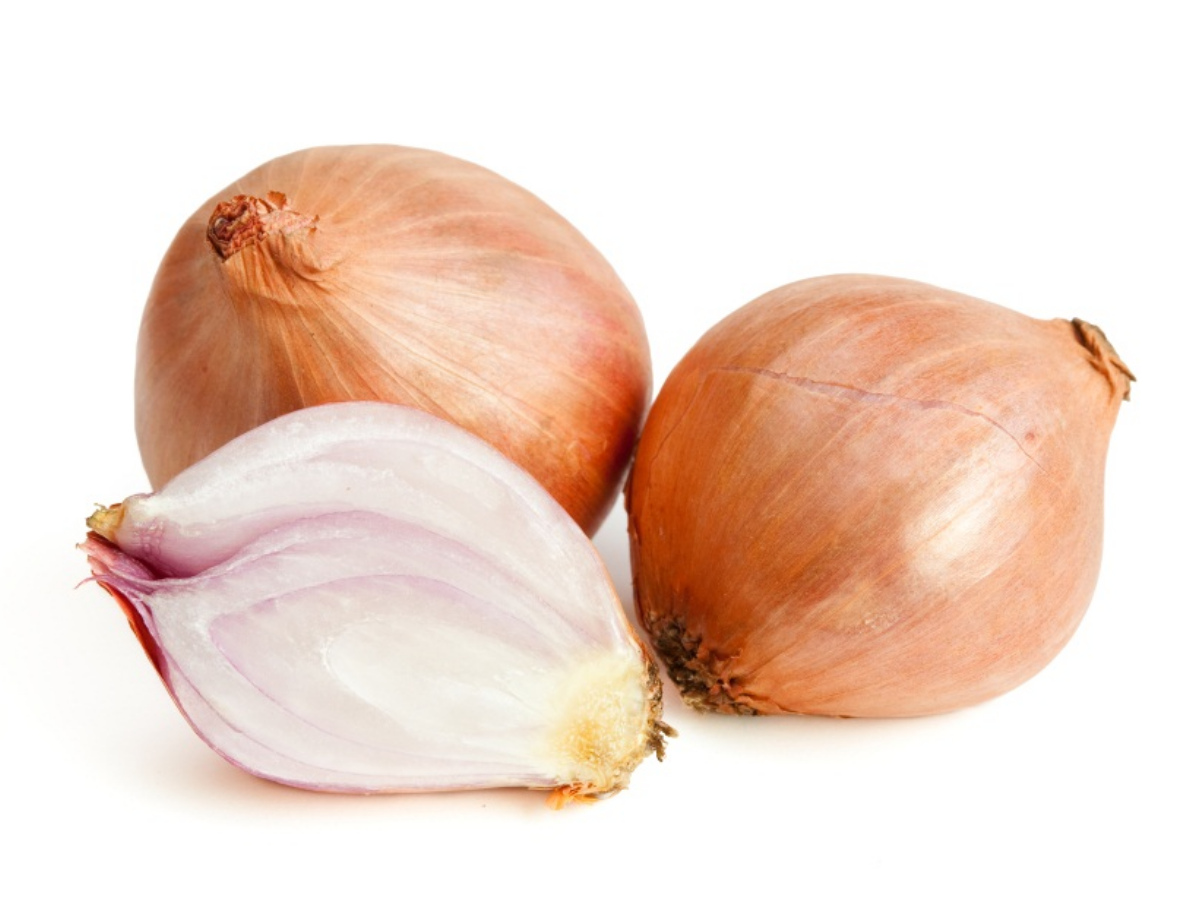
Shallots
หอมแดง · Hom Daeng
Milder and sweeter than onion, shallots form the aromatic base of almost every Thai curry paste and sauce.
Used in: curry pastes, stir-fries, salad dressings
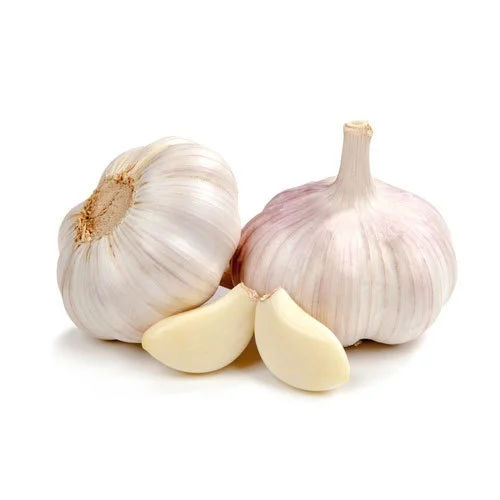
Garlic
กระเทียม · Kra Tiam
Thai garlic is smaller and more pungent than Western varieties. Used raw in pastes or fried as a crispy garnish.
Used in: pastes, stir-fries, soups, garnish
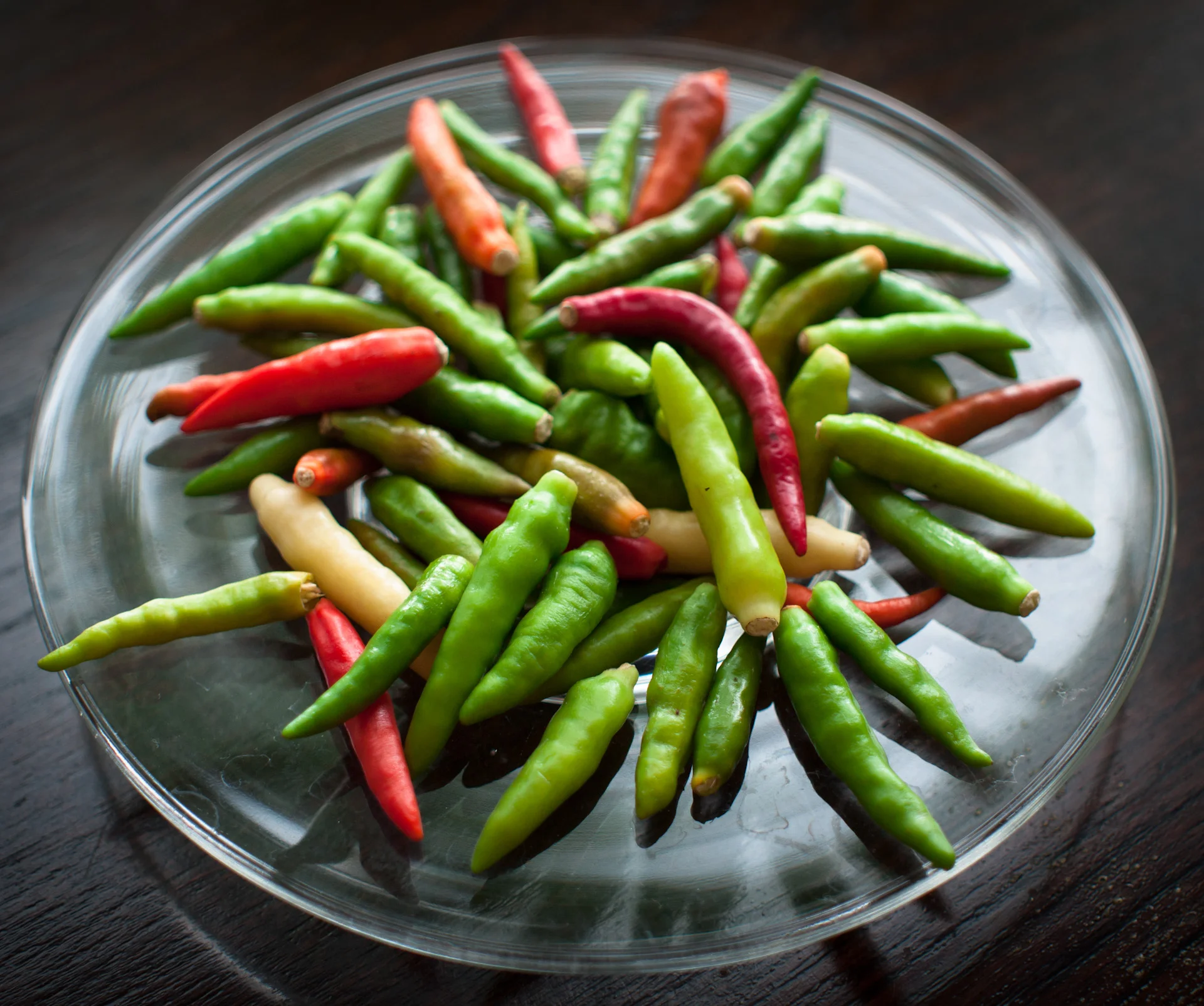
Chilies
พริก · Prik
The heat engine of Thai cooking. Bird's eye chillies deliver intense heat; longer varieties are milder. Both fresh and dried are used.
Used in: pastes, sauces, raw in salads
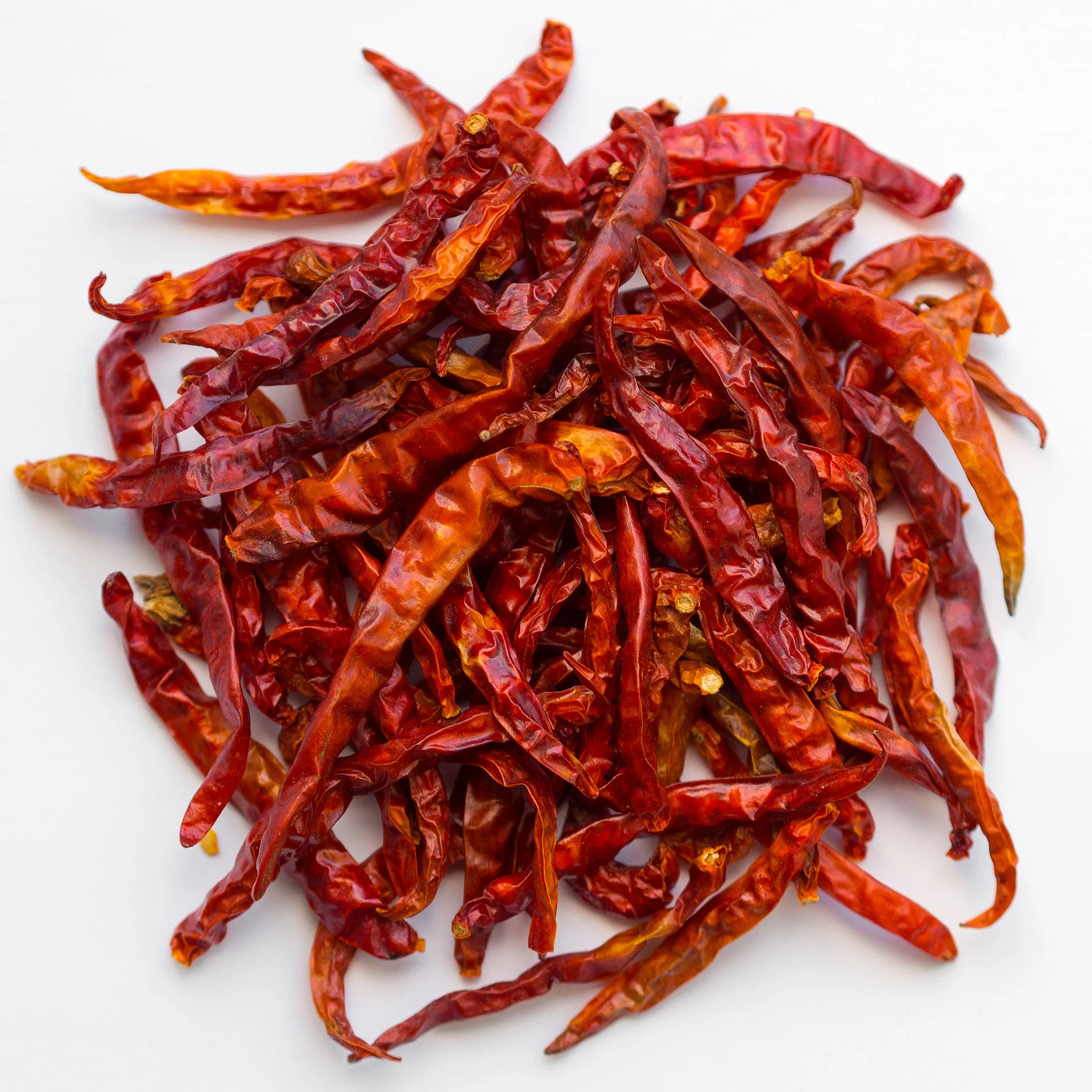
Dried Chilies
พริกแห้ง · Prik Haeng
Soaked and pounded into pastes, dried chillies add a deeper, smokier heat than fresh. Essential to red curry paste.
Used in: red curry paste, chilli oil, marinades
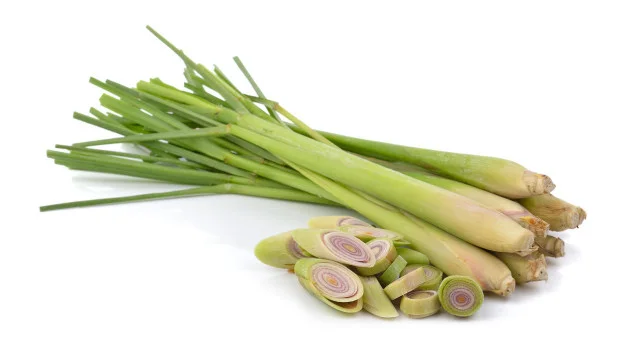
Lemongrass
ตะไคร้ · Ta Krai
Used chopped and pounded in pastes, or bruised and simmered whole in soups. Gives a bright citrus-herbal note that defines many Thai dishes.
Used in: Tom Yum, curries, pastes, marinades
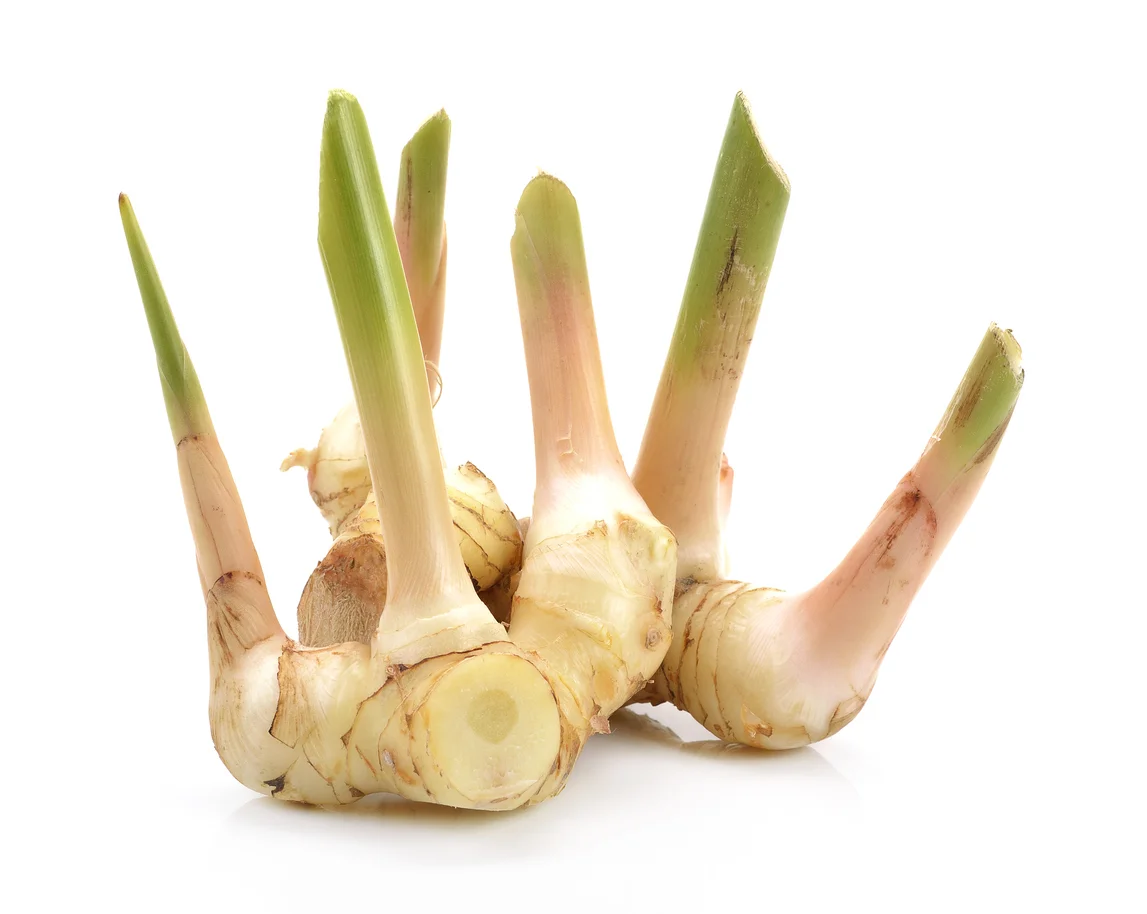
Galangal
ข่า · Kha
A relative of ginger with a sharper, more piney flavor. Cannot be substituted with ginger — the two are used differently and taste quite distinct.
Used in: Tom Kha, curry pastes, soups
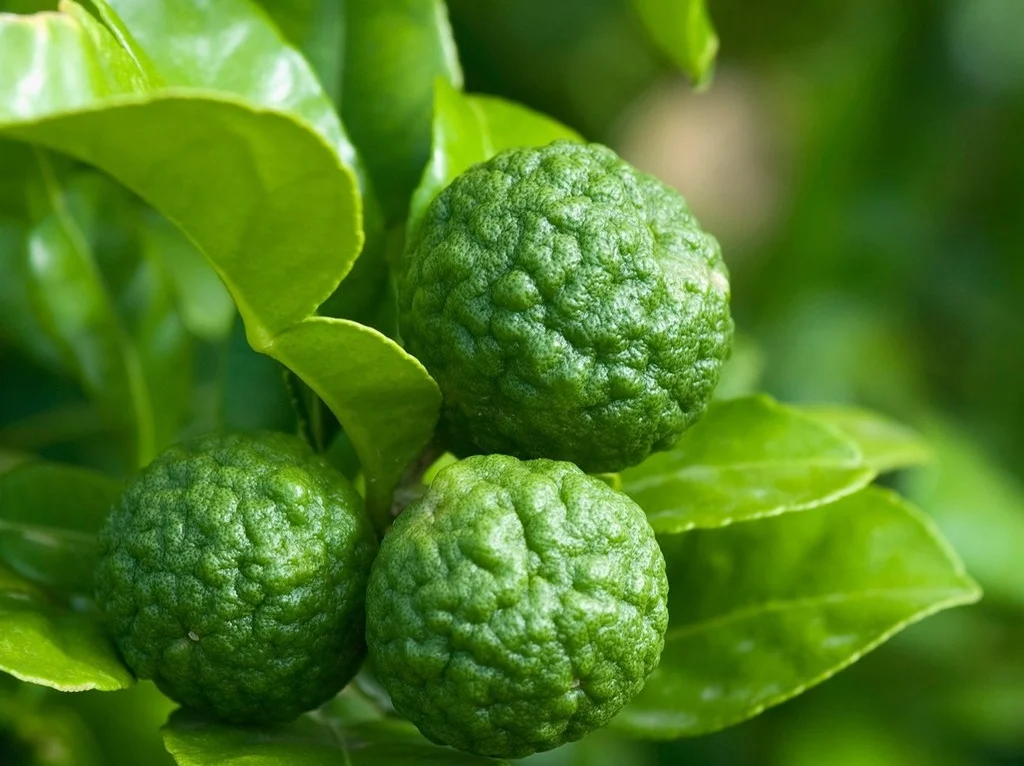
Kaffir Lime
ใบมะกรูด · Bai Makrut
The leaves are the prized part — their aromatic oil delivers a floral, citrusy note found in no other ingredient. The zest and juice are also used.
Used in: curry pastes, soups, stir-fries
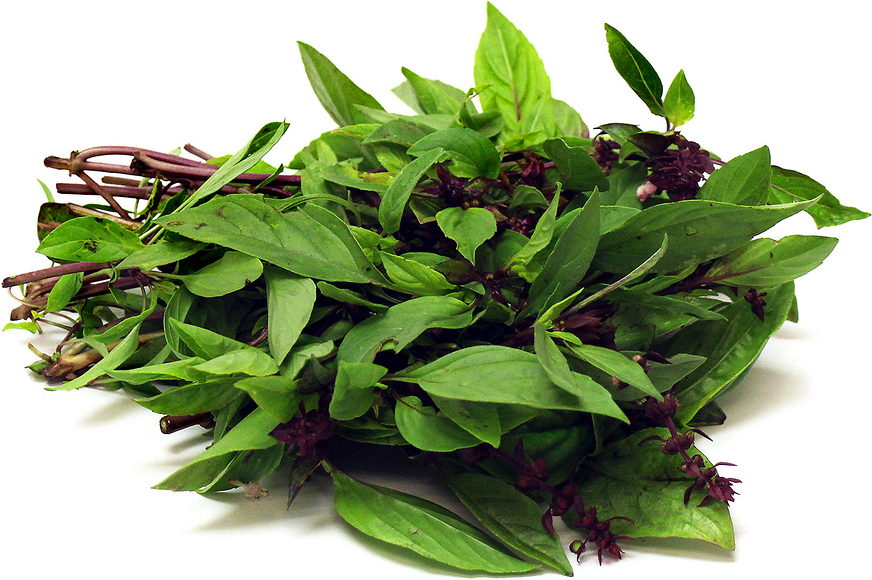
Thai Basil
โหระพา · Ho Ra Pha
Sweeter and more anise-like than Italian basil, with purple stems. Wilted quickly into hot dishes. Holy basil (krapow) is spicier and used differently.
Used in: stir-fries, curries, soups
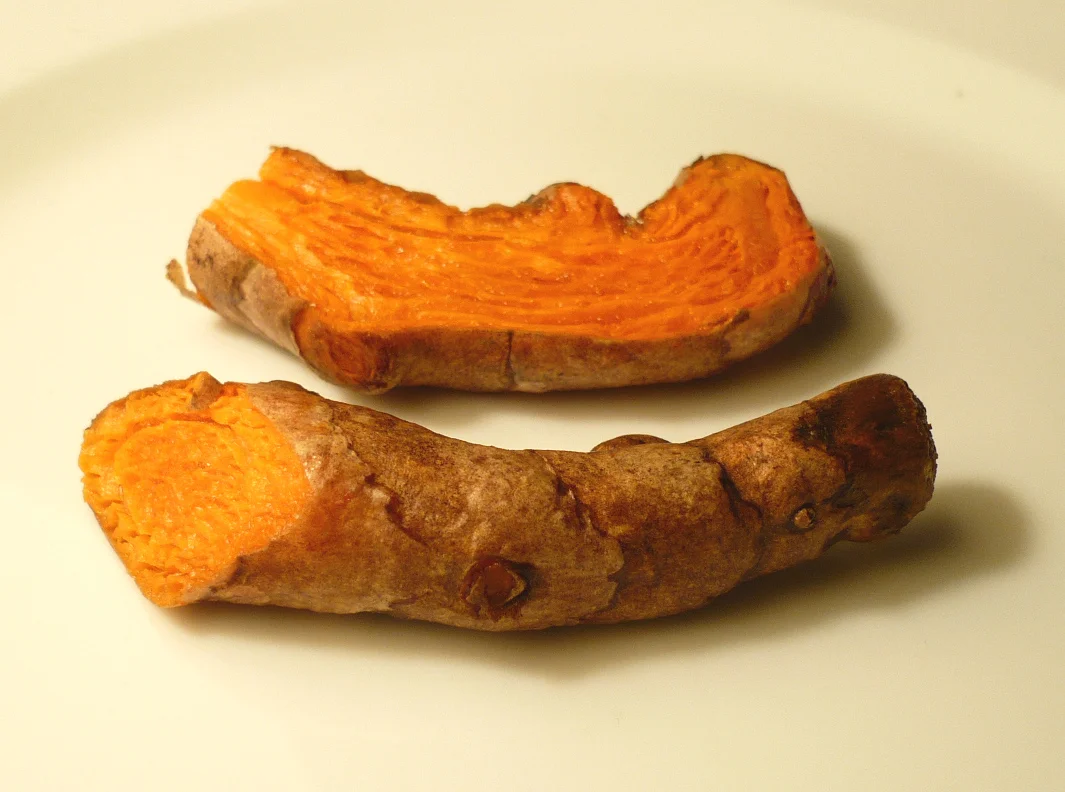
Turmeric
ขมิ้น · Kha Min
Fresh turmeric delivers color and an earthy, slightly bitter warmth. The signature spice of Southern Thai cuisine; also valued for its health properties.
Used in: southern curries, pastes, marinades
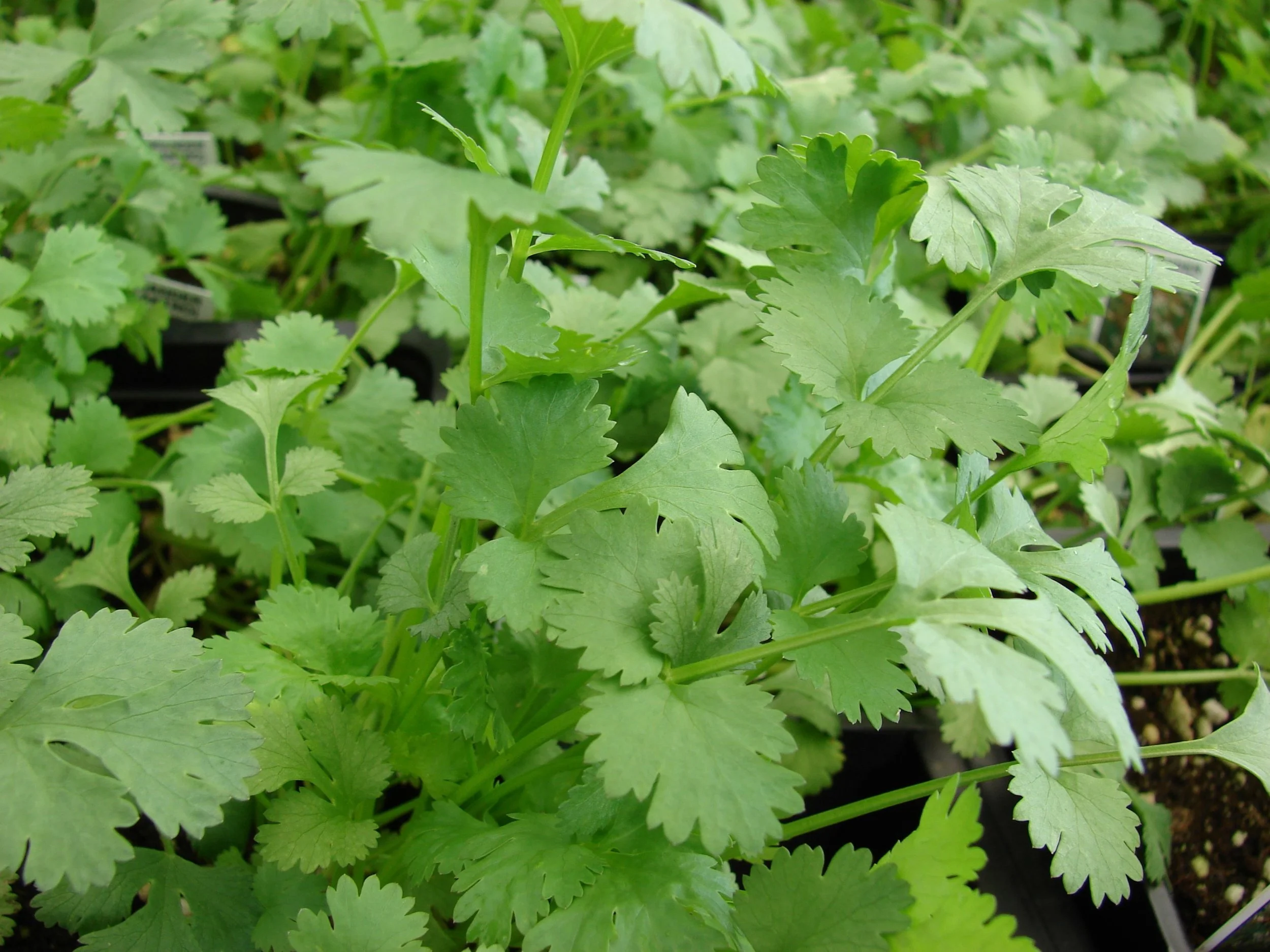
Coriander
ผักชี · Phak Chi
All parts are used — roots are pounded into pastes for depth, stems added during cooking, leaves scattered fresh as a garnish.
Used in: pastes (roots), soups, garnish (leaves)
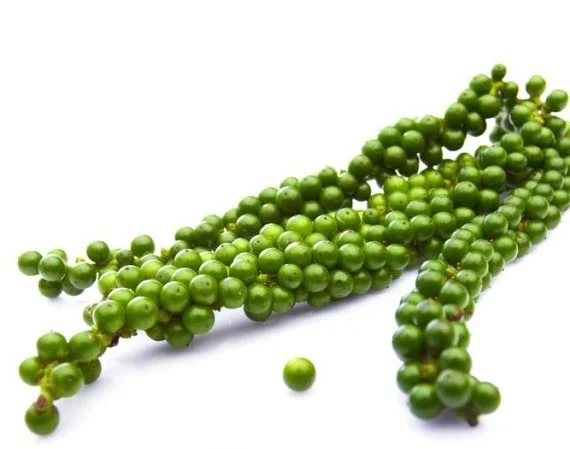
Fresh Peppercorns
พริกไทยอ่อน · Prik Thai On
Used on the vine, with a bright green heat quite different from dried pepper. Found in stir-fries and as a garnish in central Thai cooking.
Used in: stir-fries, red curry, garnish
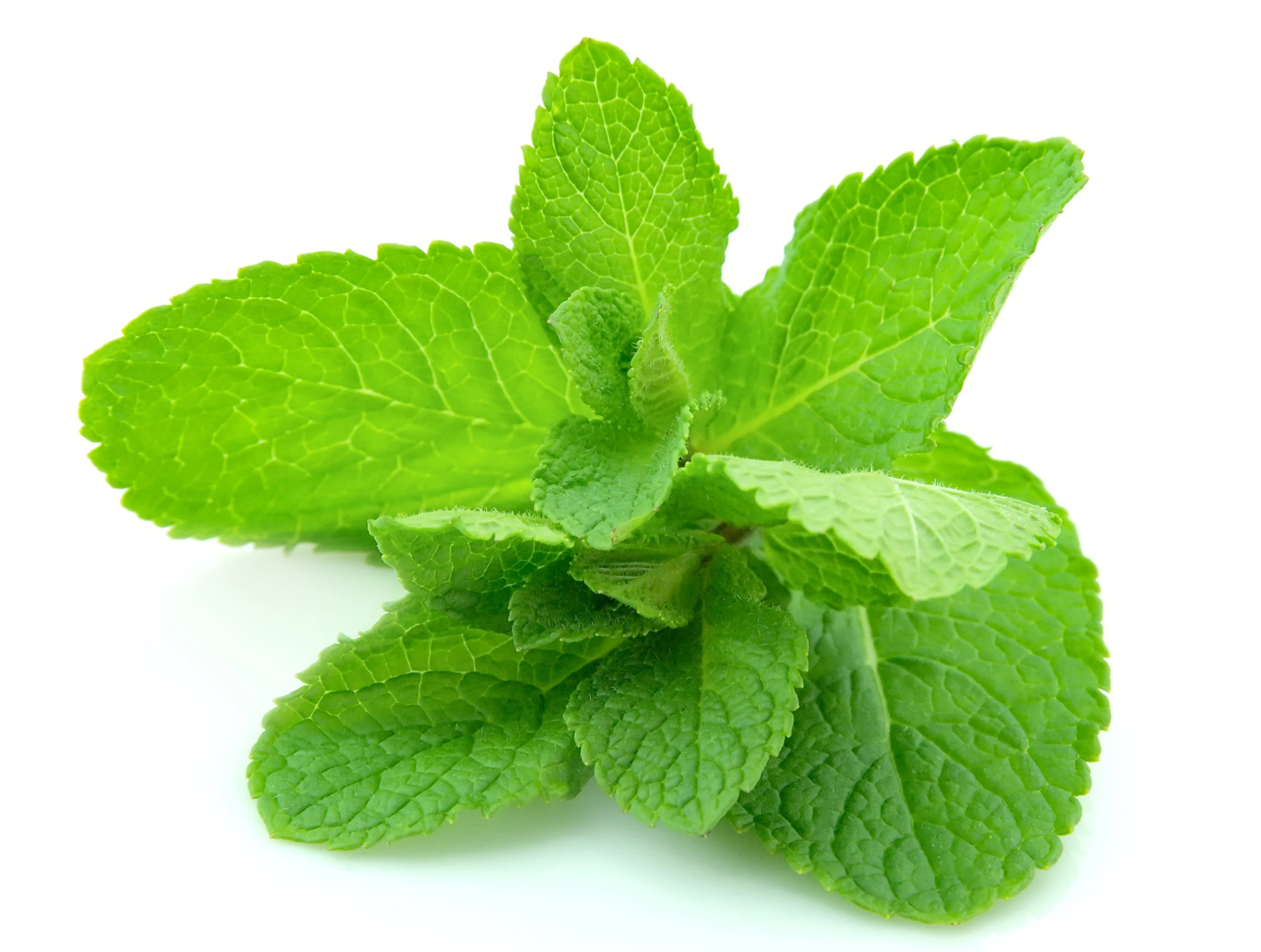
Mint
สะระแหน่ · Sa Ra Nae
Used fresh as a cooling counterpoint to heat, especially in Isaan salads like Larb and Nam Tok where its brightness cuts through the spice.
Used in: Larb, Nam Tok, fresh salads